
Sorrel, sometimes called common or garden sorrel, is a perennial herb that grows well in the wild but can also be cultivated as a garden herb.
The look: resembles spinach a lot. Grows in small colonies up to 60 cm high, has juicy stems and edible heart shaped oblong leaves. The leaves are quite sour because of high concentration of oxalic acid. The younger the leaves the less acidic they are and are more suitable to be eaten fresh. Older, more flavour intensive leaves are better in soups, pies and sauces.
Where to pick: parks, fields, meadows, open spaces. You can often find it growing among the grass.
When to pick: almost all year round (depending on weather conditions). If the winters are not too cold then you can easily find it from February through to December.
Health benefits: Contains vitamins C and B1, carotene, essential oils, a range of minerals (calcium, magnesium, iron, phosphorus). Sorrel is believed to be a detoxifier, an antioxidant, a blood cleanser, an anti-anemic herb. It may be used to treat various gastrointestinal tract conditions and is believed to reduce the unpleasant effects of menopause. If used externally, it can treat skin rashes and itching.

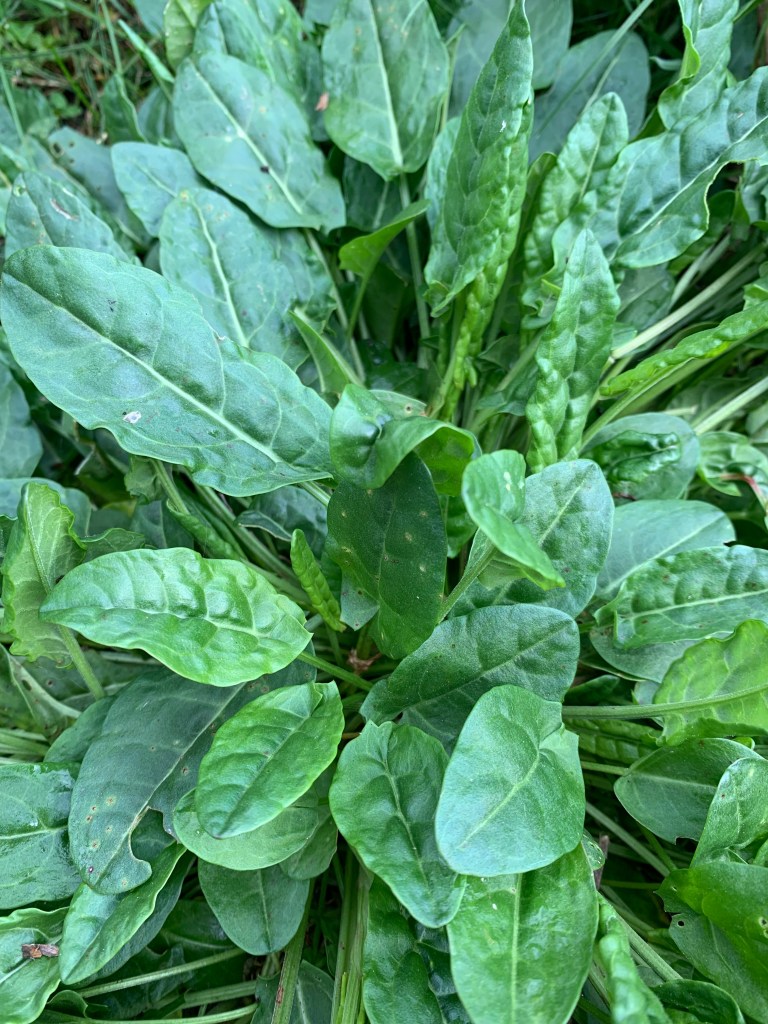
Culinary use: The leaves can be added to soups and sauces or eaten fresh in salads. Sorrel makes a great pie filling (sweet or savory) – try our sorrel and feta cheese pie recipe!


 Wild About Food
Leave a comment